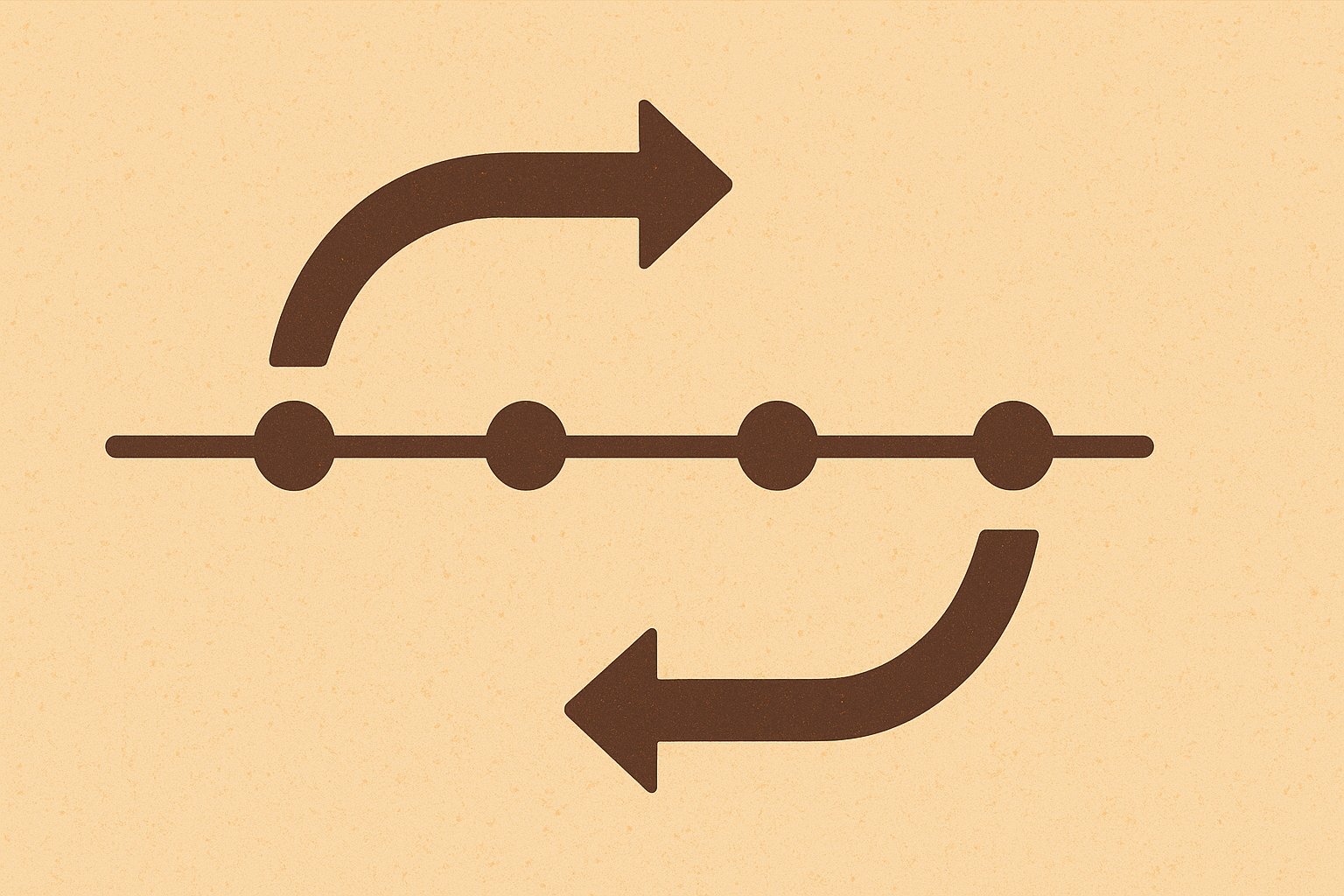
When plotted effectively, reverse timelines can transform a standard narrative into a gripping, layered story that keeps readers hooked from the very first line. Whether you’re writing a thriller, a mystery, a literary drama, or even comedy, using time backwards is a technique that can elevate suspense, deepen character arcs, and create a uniquely engaging reading experience.
In this post, we’ll explore what reverse timelines are, how to use them, and why you need them in your writer’s toolkit.
What Is a Reverse Timeline?
A reverse timeline is a narrative structure where events are revealed in reverse chronological order. Instead of moving from A → B → C → D, the story moves from D → C → B → A.
The reader starts at the consequence and travels back toward the cause.
You’ve likely seen this technique in:
- Films like Memento
- TV episodes that begin with the ending
- Mystery novels that unravel backward
In writing, a reverse timeline allows you to:
- Start with the most dramatic moment
- Build intrigue by revealing how things reached that point
- Let the reader re-evaluate scenes as new information is revealed
It’s part storytelling device, part psychological trick—and incredibly effective when handled with intention.
How to Use Reverse Timelines Effectively
1. Start With the Ending—But Only the Right Ending
Choose a moment that raises immediate questions. A shocking twist, a broken relationship, a dramatic confrontation—anything that leaves the reader thinking: How on earth did we get here?
2. Reveal Information Strategically
The backwards structure isn’t just a gimmick. Each step into the past should:
- Add new context
- Subvert earlier assumptions
- Build momentum
- Deepen character motivations
Your job is to decide what the reader knows—and when.
3. Make the Timeline Clear
Reverse narratives can become confusing if timestamps or clues aren’t consistent. Consider using:
- Chapter headers (“Three Hours Earlier…” / “Two Weeks Earlier…”)
- Visual separation between timeline jumps
- Contextual anchors (e.g., weather, location changes, character moods)
Clarity ensures the technique enhances the story rather than distracting from it.
4. Keep Characters Emotionally Consistent
Even when events move backward, your characters’ emotional arc should still make sense in reverse. The reader must be able to track:
- How relationships formed or cracked
- How motivations changed
- Why a character might later make a surprising choice
This means planning the emotional beats from both directions.
5. Write the Story Forward First (If Needed)
Many writers draft the story in its natural order first. Once everything makes sense in forward time, you can restructure it backwards without losing logic or momentum.
Why You Need Reverse Timelines in Your Writer’s Toolkit
1. They Create Instant Suspense
Starting at the climax or conclusion grabs the reader immediately. The story’s tension comes from discovering how the ending became inevitable.
2. They Allow for Complex Character Work
Reverse timelines reveal motives in layers—perfect for morally grey characters, flawed heroes, and unreliable narrators.
3. They Make Readers Active Participants
Instead of passively absorbing events, readers piece together clues, theories, and emotional cues. This kind of engagement creates a memorable reading experience.
4. They Refresh Familiar Genres
Mysteries, thrillers, dramas, romances—all can benefit from a structural shake-up. Reverse timelines add originality without changing the core story.
5. They Improve Your Craft
Planning a story backwards requires precision. You’ll naturally strengthen your:
- Plotting
- Character development
- Scene transitions
- Understanding of cause and effect
Reverse timelines challenge you to think differently—and that makes you a better writer.
Final Thoughts
Reverse timelines aren’t just a stylistic flourish; they are a powerful narrative device that can deepen your storytelling, surprise your readers, and sharpen your craft. Whether used for an entire novel or a single chapter, this technique invites the reader into a dynamic and deeply engaging experience.
If you’ve never tried writing a story backward, take a scene you’ve already drafted and flip the order. You might be surprised at how much richer and more intriguing it becomes.
There’s a delicious, tingling moment in every novel-in-progress where the story goes from blank space to spark. It’s the whisper of a character you don’t . . .
Every writer eventually meets them: the villain who should be terrifying… but somehow lands closer to awkward karaoke act than dark overlord. On paper, they’re . . .
Dialogue is one of those slippery beasts in fiction. Get it right and your characters breathe — they walk into a room, speak, and suddenly . . .
There comes a point — usually somewhere between draft number three and “why am I doing this to myself?” — when writing stops feeling like . . .