There comes a moment in every writer’s journey where confidence quietly turns into suspicion. You’ve finished your manuscript.You’ve edited it.Maybe you’ve even rewritten large chunks . . .
At some point, every writer hits the same wall. Not a gentle hesitation.Not a passing doubt.A wall. It usually sounds something like this: “Why is . . .
Artificial intelligence can now write essays, generate poetry, outline stories, and even produce entire book-length manuscripts in minutes. Because of this, one question keeps appearing . . .
Every writer knows the feeling. You have an idea — maybe a character, a world, or a fragment of a scene — but when you . . .
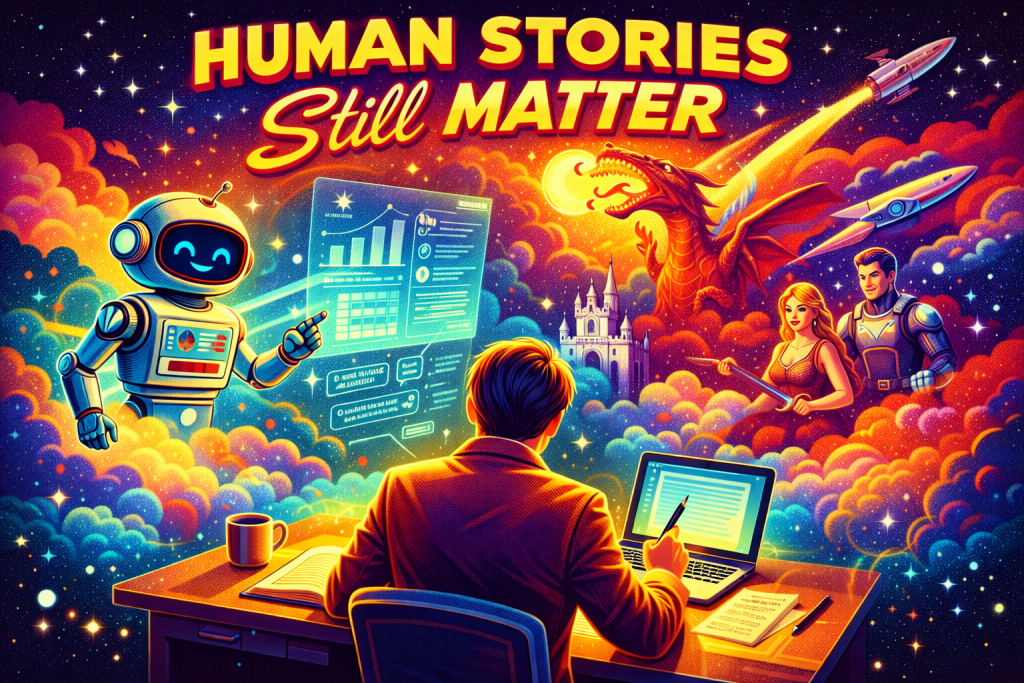
Artificial intelligence is rapidly changing the way people write. Tools can generate outlines, suggest dialogue, correct grammar, and even draft entire chapters in seconds. For . . .
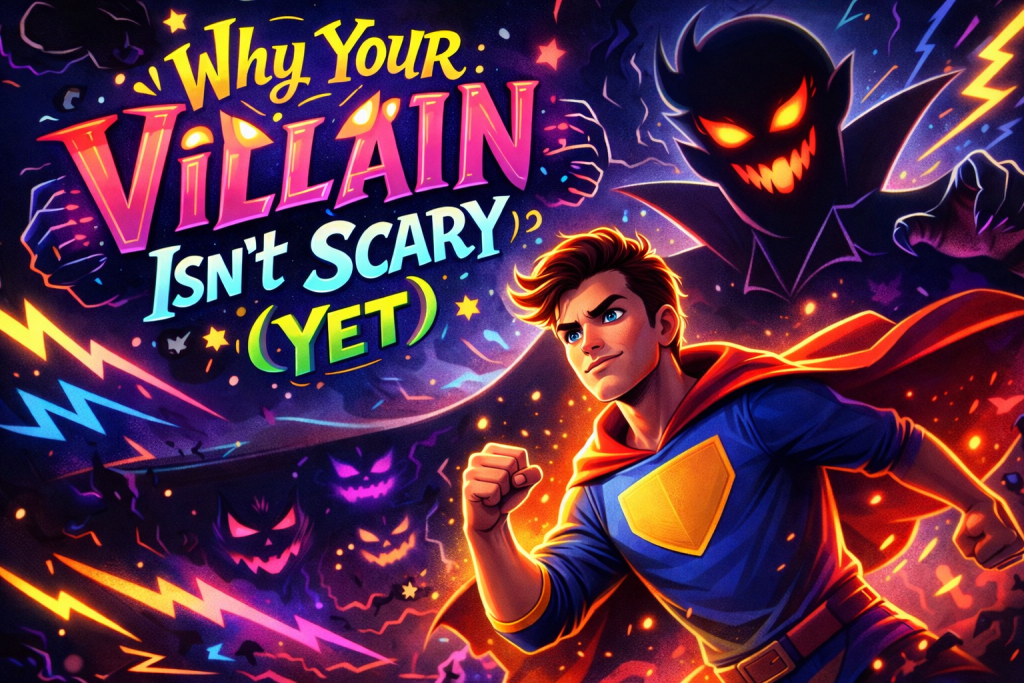
Every writer eventually meets them: the villain who should be terrifying… but somehow lands closer to awkward karaoke act than dark overlord. On paper, they’re . . .

Every writer dreams of typing those two sacred words — The End. But few realise what comes next. Somewhere between closing your laptop and staring . . .
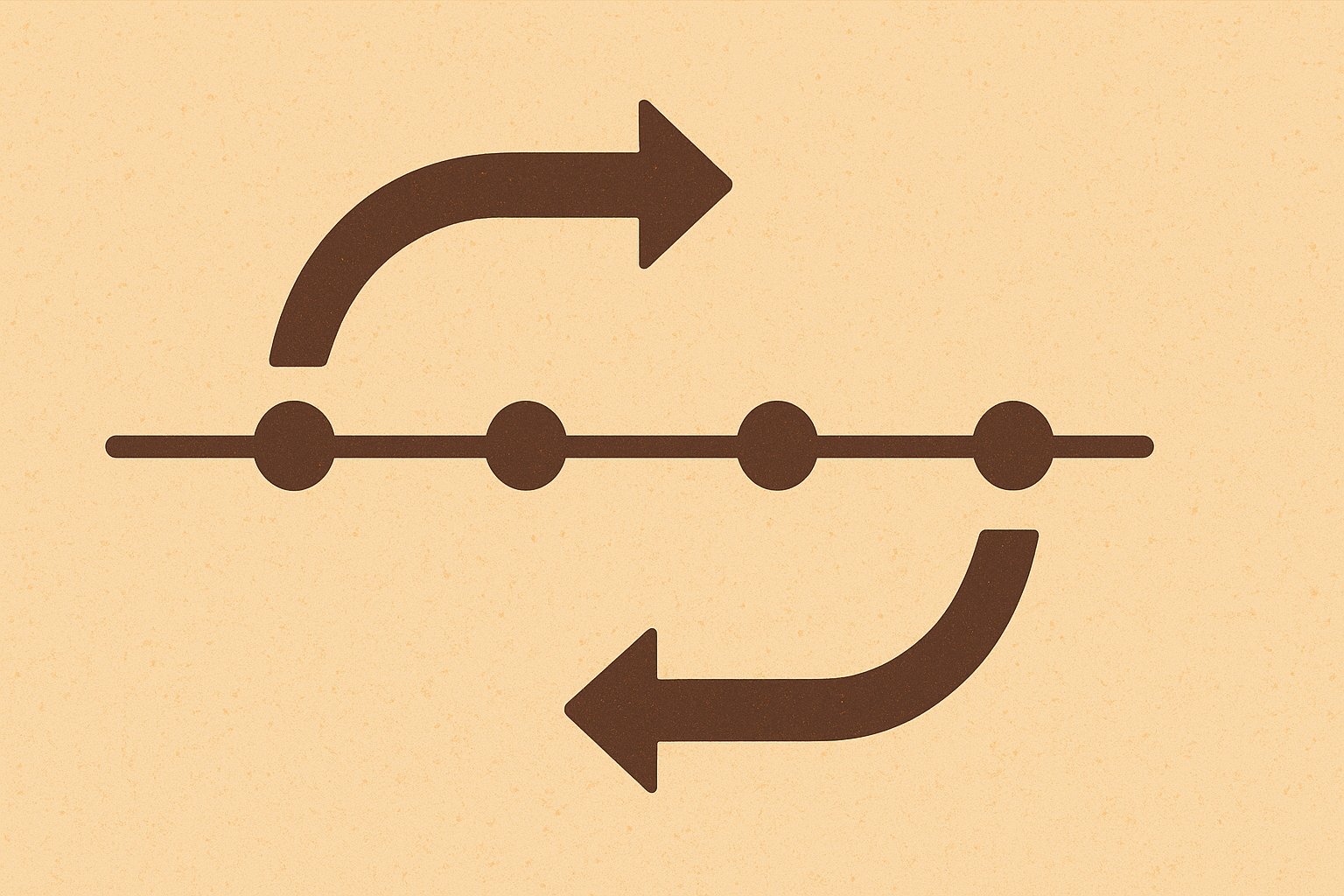
When plotted effectively, reverse timelines can transform a standard narrative into a gripping, layered story that keeps readers hooked from the very first line. Whether . . .

Every writer knows the terror of the blank page. You have characters, maybe even a world, but something’s missing. The plot feels flat. Your protagonist . . .
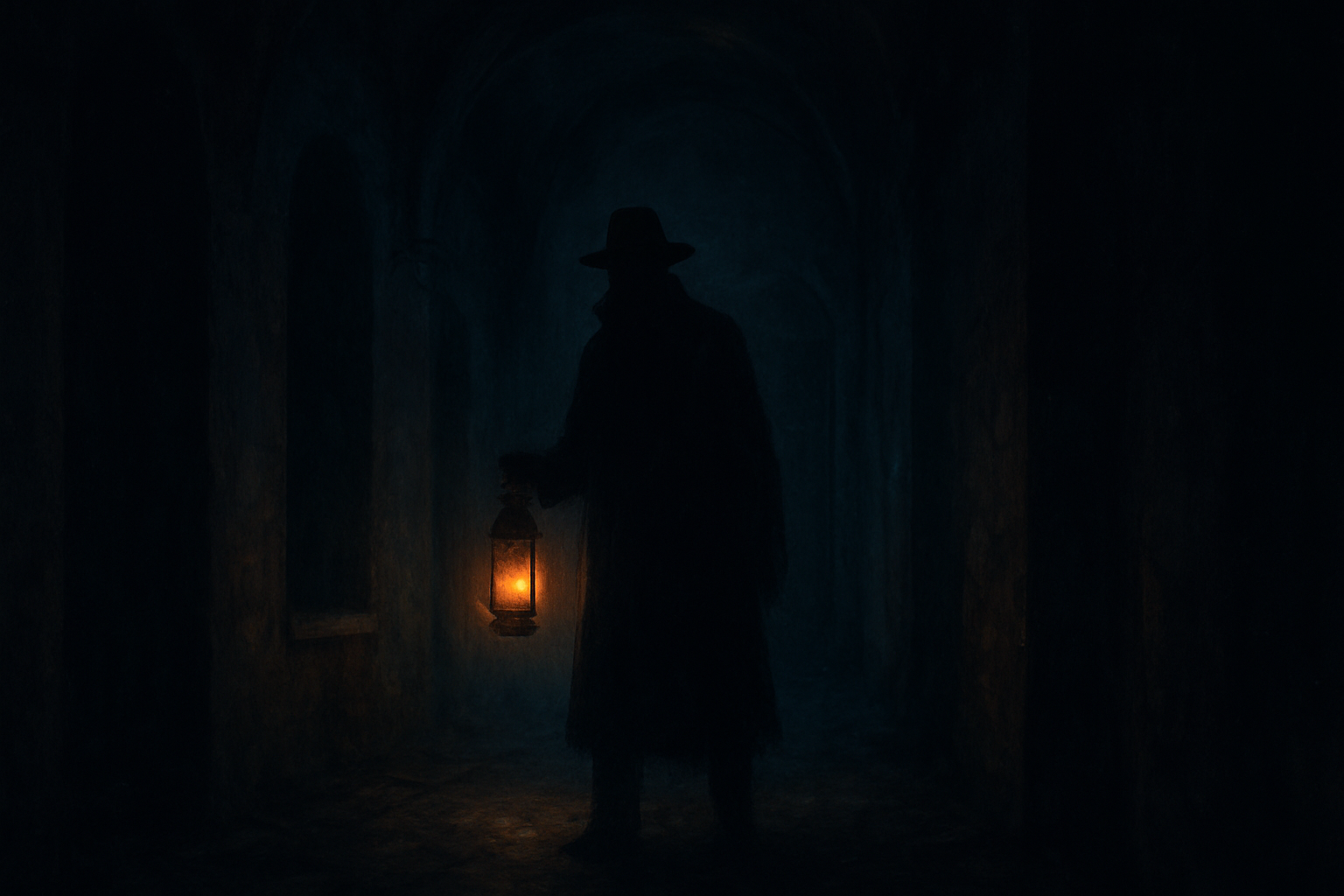
Suspense is the invisible thread that keeps readers turning pages long past bedtime. Whether you’re writing a thriller, a slow-burn drama, or even a romantic . . .