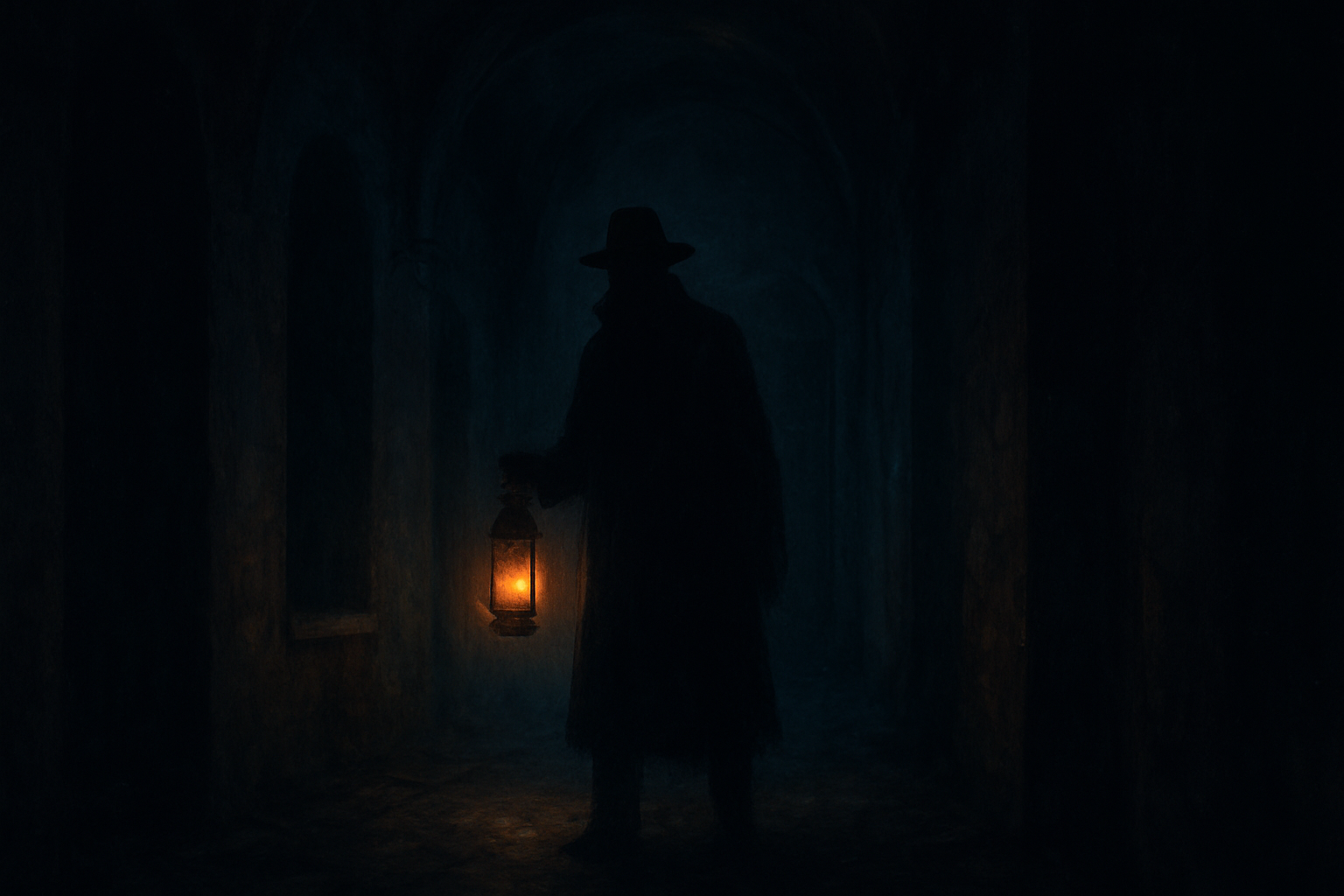
Suspense is the invisible thread that keeps readers turning pages long past bedtime. Whether you’re writing a thriller, a slow-burn drama, or even a romantic subplot, suspense is what injects tension, anticipation, and emotional investment into your story. On jamiebowers.co.uk, we champion writing that grips readers by the collar—and today we’re exploring how you can craft scenes that do exactly that.
1. Understand What Suspense Actually Is
Suspense is the art of making your reader wait—but enjoy it. It’s the space between a question raised and an answer delivered. The unknown is the playground. Suspense doesn’t rely on car chases or explosions; it relies on expectation.
At its core, suspense is driven by three key questions:
- What’s going to happen?
- When will it happen?
- What’s the cost if it does?
Clarify these in every suspenseful moment and your reader will feel the tension.
2. Give the Reader More Information Than the Character—or Less
Suspense is often about control: who knows what, and when.
When the reader knows more
This builds dramatic irony.
- A killer hides in the protagonist’s house.
- The reader sees the shadow.
- The protagonist walks in, unaware.
Instant suspense.
When the reader knows less
This builds mystery.
- A character behaves strangely.
- A door is locked for no reason.
- A clue is missing.
Your reader becomes an investigator, leaning forward.
Both techniques work—alternate them for a textured experience.
3. Raise the Stakes (Emotional, Not Just Physical)
Suspense falls flat when there’s nothing meaningful at risk.
Ask yourself:
- What does the character stand to lose emotionally?
- How will failure change their relationships, beliefs, or self-image?
- What part of their identity is on the line?
Physical danger is one flavour of suspense. Emotional danger is fuel.
4. Slow Down the Moment
Counterintuitive, but essential.
Suspense thrives in slowed time. You’re magnifying details, extending beats, forcing the reader to live inside the tension.
Use these:
- Sensory detail (sound is particularly powerful—creaks, breathing, distant footsteps)
- Internal thoughts (fear, doubt, racing logic)
- Micro-actions (hands trembling, key turning, breath held)
But don’t overuse it. You’re building a bubble of tension—not stalling the story.
5. Control the Rhythm of Your Sentences
Sentence structure controls the reader’s heartbeat.
To tighten suspense:
- Short sentences.
- Sharp rhythm.
- Single-line paragraphs.
To draw it out:
- Longer lines.
- Winding, detailed sentences.
- A flow that mirrors nervous waiting.
Good suspense is music. Let your prose conduct.
6. Use the Environment as an Amplifier
Setting isn’t just a backdrop—it’s a participant.
A suspenseful environment:
- Limits visibility (fog, darkness, walls, crowds)
- Amplifies sound (echoing halls, forests, empty streets)
- Distorts perception (shadows moving, wind knocking objects)
Let the environment heighten tension, perhaps even mislead the character.
7. Ask Questions—And Delay the Answers
Suspense is essentially unanswered questions.
Try layering questions:
- Why did the lights flicker?
- Where is the missing phone?
- Why is the front door unlocked?
- Who moved the photograph?
Each question is a hook. Don’t answer immediately—reward the reader only when the tension has built.
8. Create Suspense Through Conflict, Not Coincidence
Coincidences feel cheap. Conflict feels earned.
Raise obstacles:
- Internal conflict (fear, guilt, uncertainty)
- External conflict (a pursuer, a deadline, a moral dilemma)
Suspense thrives when the character must choose under pressure.
9. Use Unreliable Elements
Uncertainty is the heartbeat of suspense.
Play with:
- An unreliable narrator
- A character’s flawed memory
- A suspicious ally
- A misunderstood clue
Suspense grows when the reader questions what’s real.
10. End Your Scene With a Hook, Not a Reveal
When writing suspense, don’t resolve the tension at the end of the scene—escalate it.
Instead of:
- “And then she realised it was only the cat.”
Try:
- “Her torch beam landed on a shadow. It moved.”
A good suspense scene promises trouble. A great one guarantees it.
SEO Tags
- suspense writing
- writing advice
- how to create tension
- storytelling techniques
- fiction writing tips
- creative writing guidance
- character stakes
- scene pacing
- dramatic irony
Final Thoughts
Suspense isn’t a genre—it’s a technique. One you can weave into any type of story.
To create memorable suspense:
- Control the flow of information.
- Let stakes rise from character, not coincidence.
- Slow down key moments.
- Lead with questions, not answers.
Master these, and your scenes will grab readers by the throat and refuse to let go.
If you’re crafting stories and want to sharpen your suspense-writing skills, keep exploring the writing guides here on jamiebowers.co.uk—your next chapter is waiting to be written.

There’s a delicious, tingling moment in every novel-in-progress where the story goes from blank space to spark. It’s the whisper of a character you don’t . . .

Every writer eventually meets them: the villain who should be terrifying… but somehow lands closer to awkward karaoke act than dark overlord. On paper, they’re . . .

Dialogue is one of those slippery beasts in fiction. Get it right and your characters breathe — they walk into a room, speak, and suddenly . . .
There comes a point — usually somewhere between draft number three and “why am I doing this to myself?” — when writing stops feeling like . . .