
Now, I am not going to make an argument about which version is correct (or better), but I am going to point out the differences that every writer should be mindful of when writing.
The main reason you need to be aware of the differences is because of your audience and the setting for your book. If you are writing to an American audience or your book is set in America, you want to try and avoid any British English idioms or terminology from slipping in. Consistency is the main key point when distinguishing your English version as you do not want to use favour in a sentence and then spell it favor later in the book.
Here is a short list I have put together which may be able to help you determine between which version of English you wish to use.

There is a strange contradiction at the heart of becoming a writer. You are constantly being told that you need to learn. Learn structure. Learn . . .
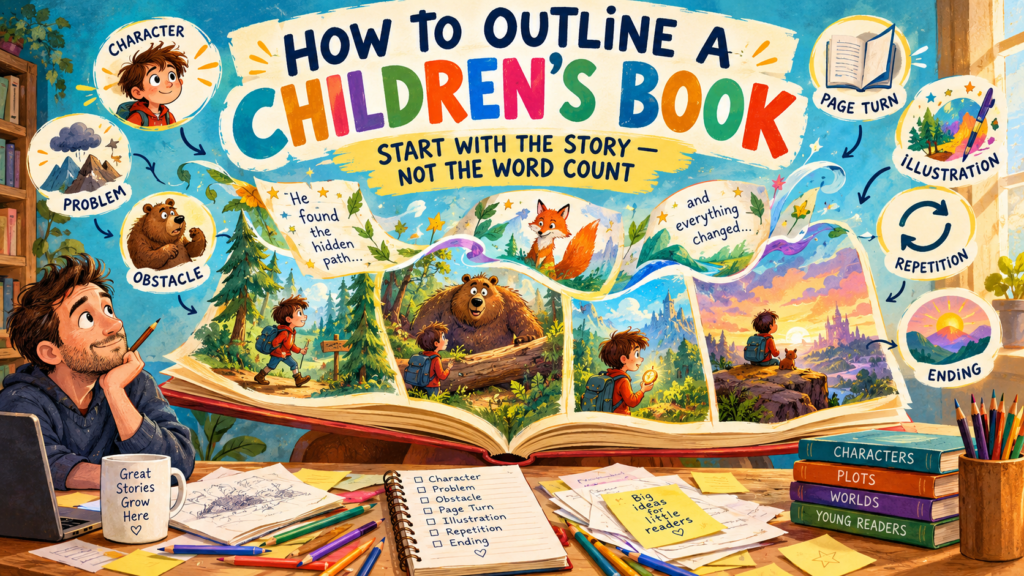
There is a dangerous assumption about children’s books. Because they’re short, they’re easy. You only need a few hundred words. The sentences are simple. The . . .

There is a piece of writing advice that sounds sensible, looks sensible and is, in isolation, absolutely sensible: Keep your writing clear. Put the character . . .

There is a particular moment in writing a novel that can make you question every decision you’ve made since the first chapter. You’ve been writing . . .