
Great protagonists are the heart of any novel. As the character through which readers experience your story, a compelling hero draws readers in and gets them invested in the narrative. How do you craft a memorable protagonist that leaps off the page?
Give your hero complex contradictions. Flawed, multifaceted characters are more relatable and interesting than purely virtuous ones. Give your protagonist opposing traits – arrogance and vulnerability, brashness and caution. Layer in qualities that add complexity.
Let your hero grow. Static characters stagnate. Show your protagonist changing and evolving over the course of the story. Allow them to learn hard lessons, re-examine beliefs, and deepen self-awareness. Organic character growth keeps readers engaged.
Surround them with strong foils. A charismatic villain, eccentric sidekick, or opposing love interest helps highlight the protagonist’s personality and values. Dynamic foil characters provide contrast and conflict that reveals heroic qualities.
Give them a compelling backstory. A dark past filled with setbacks and wounds makes a hero more complex and sympathetic. Maybe they lost a parent early or battled addiction. Backstory trauma adds depth.
Make their quest relatable. Readers connect with characters whose external journey mirrors internal transformation. Give your hero an absorbing quest that ties directly to overcoming inner flaws and wounds.
Put them through the wringer. Test your protagonist with escalating trials and tribulations that force them to their limits. Relatable heroes show grace under fire when tested to the extreme.
Give them secret struggles. In addition to external conflicts, protagonists wrestle with private inner demons – guilt, grief, anger. These quiet struggles humanize and elicit empathy from readers.
Make them proactive. Passive characters who let events happen to them are boring. Protagonists should actively make bold choices that drive the story – for better or worse.
Let them make mistakes. Imperfect heroes who screw up, act rashly, and make wrong choices are infinitely more relatable than perfect ones. Let them fail.
Surround them with an engaging support system. Give your hero strong bonds with compelling secondary characters who reveal different facets of their personality.
Root their journey in a universal theme. The most resonant protagonist quests tackle universal experiences like love, grief, family, belonging. Connect their struggle to timeless human truths.
Give them an achilles heel. Superman has kryptonite. Exploit your hero’s weaknesses to ratchet up tension. Their vulnerabilities make victory harder won.
Make the stakes feel personal. Protagonists should have something deeply important to lose if they fail. The higher the intimate stakes, the harder readers root for them.
But allow small victories too. Balance major setbacks with minor wins to avoid dragging your protagonist through constant misery. Let them catch a breath – and give readers hope.
Let their personality shine. Give your hero a distinct, magnetic voice filled with individual quirks, wit and passion. Distinctive characters leap off the page.
Crafting a protagonist that draws readers in and compels them to keep turning pages requires thoughtful layering of contradiction, complexity and growth. Put your hero through the wringer and watch them shine.

There comes a moment in every writer’s journey where confidence quietly turns into suspicion. You’ve finished your manuscript.You’ve edited it.Maybe you’ve even rewritten large chunks . . .
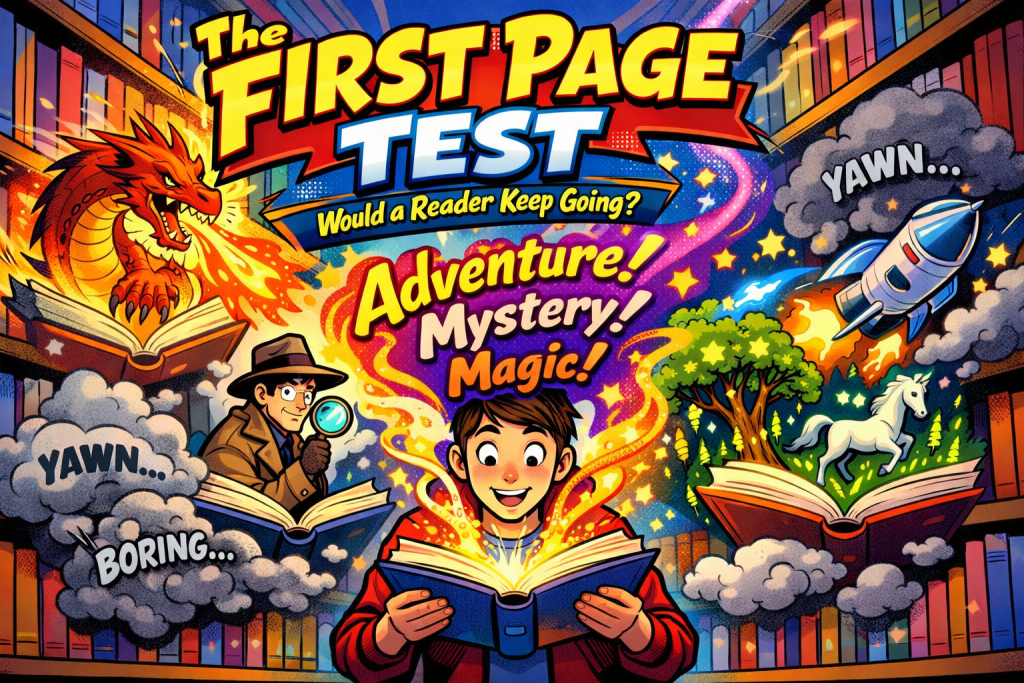
Every writer eventually faces the same uncomfortable question. If a reader opened your book and read only the first page… would they keep going? It . . .
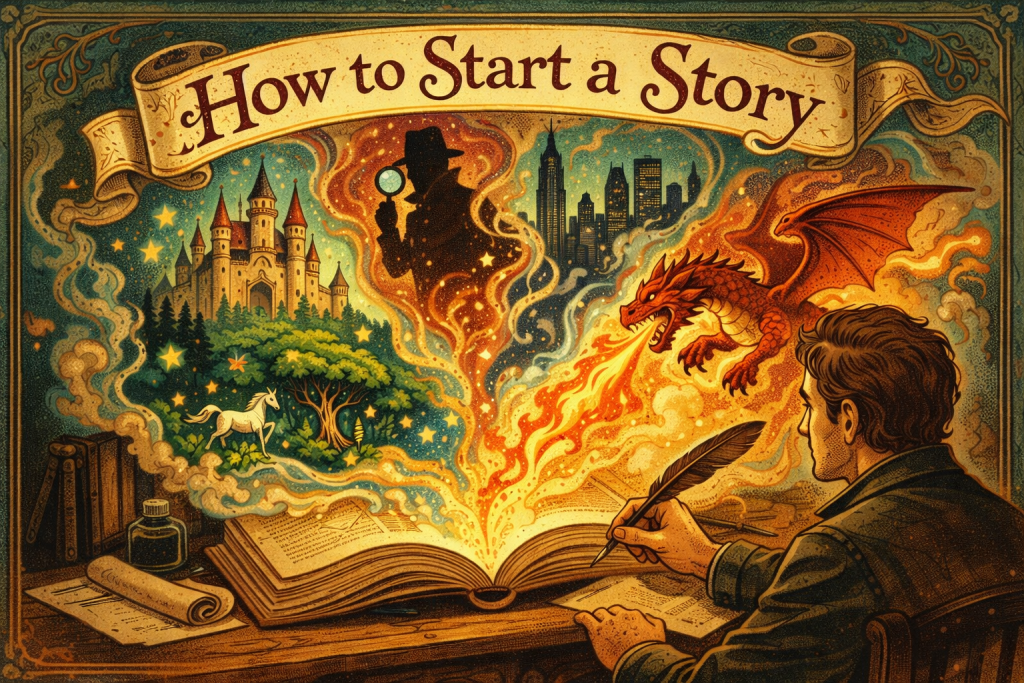
Every writer knows the feeling. You have an idea — maybe a character, a world, or a fragment of a scene — but when you . . .

There’s a delicious, tingling moment in every novel-in-progress where the story goes from blank space to spark. It’s the whisper of a character you don’t . . .