There is a strange contradiction at the heart of becoming a writer. You are constantly being told that you need to learn. Learn structure. Learn . . .
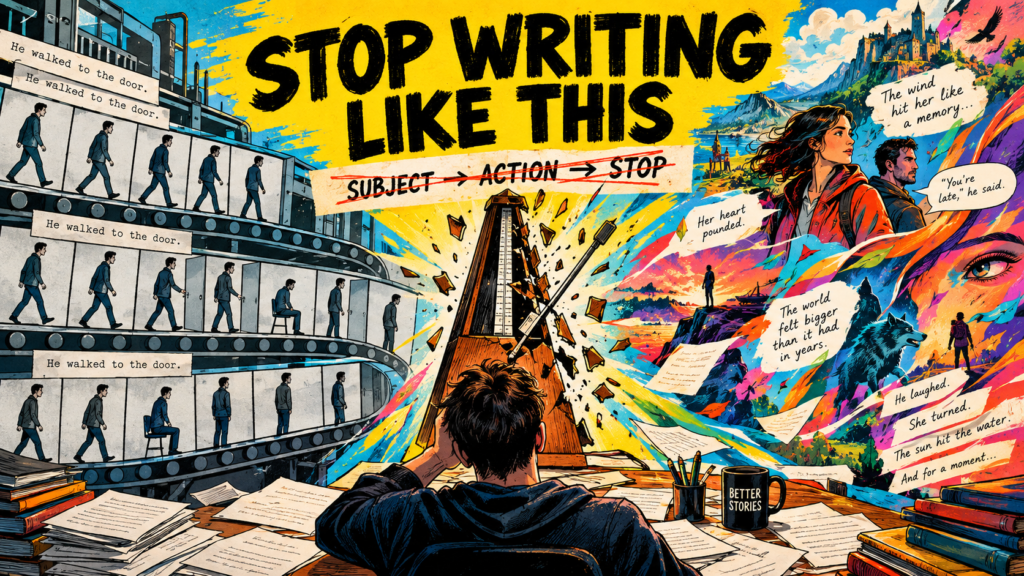
There is a piece of writing advice that sounds sensible, looks sensible and is, in isolation, absolutely sensible: Keep your writing clear. Put the character . . .
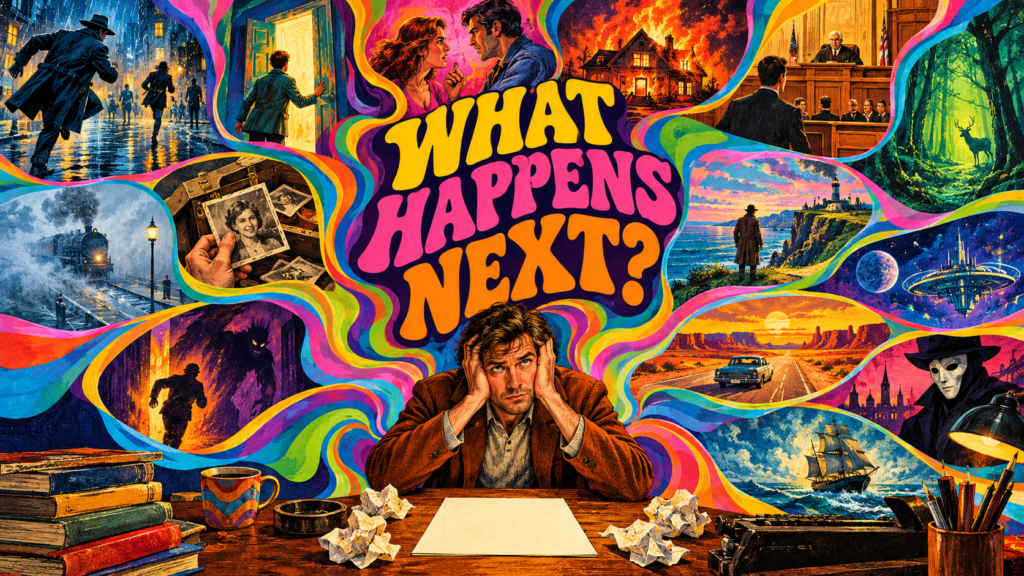
There is a particular moment in writing a novel that can make you question every decision you’ve made since the first chapter. You’ve been writing . . .
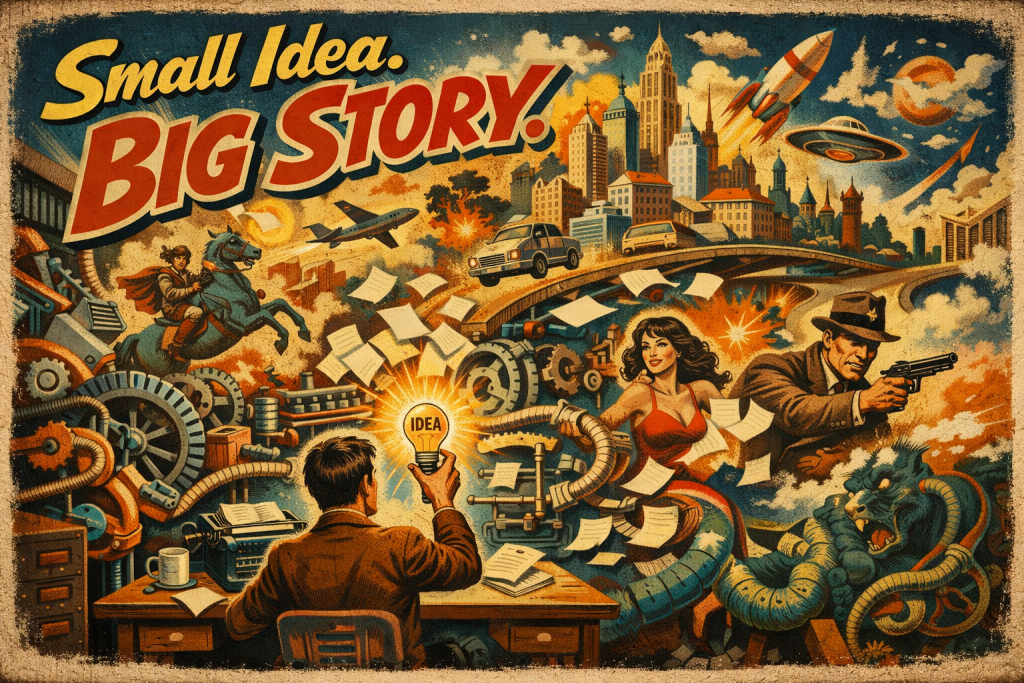
“I’ve got a good idea… but I don’t think it’s big enough for a novel.” That sentence has quietly killed more books than lack of . . .
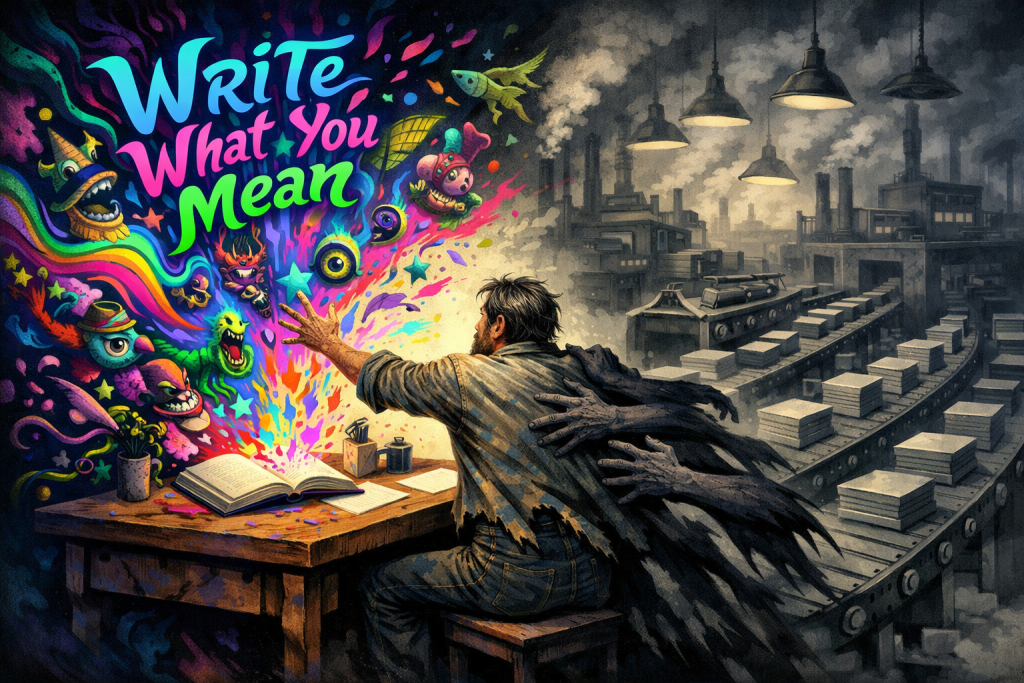
There’s a quiet lie that creeps into most writers early on. It sounds sensible. Strategic, even. “Write what people want.” On the surface, that’s not . . .
At some point, every writer hits the same wall. Not a gentle hesitation.Not a passing doubt.A wall. It usually sounds something like this: “Why is . . .
Every writer knows the feeling. You have an idea — maybe a character, a world, or a fragment of a scene — but when you . . .
Every writer eventually meets them: the villain who should be terrifying… but somehow lands closer to awkward karaoke act than dark overlord. On paper, they’re . . .
Dialogue is one of those slippery beasts in fiction. Get it right and your characters breathe — they walk into a room, speak, and suddenly . . .

Every writer dreams of that perfect plot—the one that flows naturally, keeps readers hooked, and actually makes sense from start to finish. But here’s the . . .